
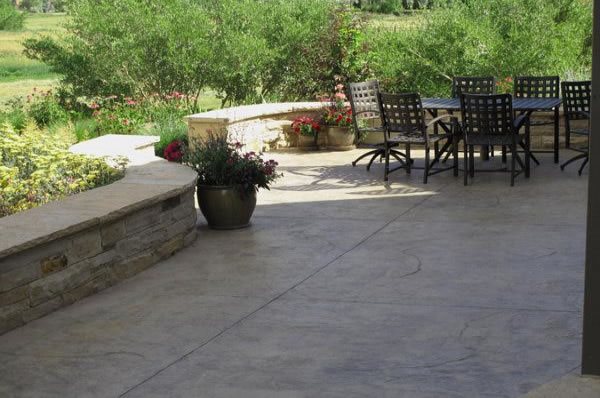
A good outdoor entertaining area starts from the ground up. The flooring you choose affects how the space looks, how easy it is to clean, how safe it feels underfoot and how well it handles Hobart weather.
For many homeowners, the best outdoor flooring is not simply the most expensive option. It is the material that suits the home, the way the area will be used and the amount of maintenance you are happy to do.
Popular choices for patios and entertaining areas include concrete paving, timber or composite decking, natural stone, outdoor tiles, brick pavers and gravel. Each option has different strengths.
Before choosing a material, think about how the area will be used. A covered patio may have different needs from an open backyard entertaining space.
Good outdoor flooring should be:
The right choice should also work with nearby landscaping, garden beds, retaining walls and outdoor structures.
Concrete paving is one of the most practical outdoor flooring options for patios, courtyards and entertaining areas.
It creates a firm surface for outdoor furniture, barbecues and regular foot traffic. It can also suit both modern and traditional homes depending on the colour, size and layout of the pavers.
For homeowners looking for concrete paving in Hobart, the main benefits include:
Concrete pavers can be laid in simple straight patterns for a clean modern look or in more detailed layouts to add character.
Yes. A properly installed paved area gives tables, chairs and outdoor kitchens a stable base. It is also easy to sweep and wash down.
The base preparation and drainage are important. Poor installation can lead to movement, uneven sections or water collecting in low spots.
Decking creates a warmer and softer look than concrete or stone. It works especially well where you want the patio to feel like an extension of the indoor living area.
Decking installation in Hobart can suit:
Timber has a natural appearance that works well with gardens and green spaces. It can also make a small entertaining area feel more inviting.
Timber needs more care than many paved surfaces. Regular cleaning and protective coatings help reduce fading, moisture damage and surface wear.
If you like the natural look of timber and are comfortable with some ongoing maintenance, it can be an excellent choice.
Composite decking is designed to give a timber style appearance with less regular maintenance.
It is commonly made from a mix of wood fibres and other materials. Many products are designed to resist fading, moisture and everyday wear better than untreated timber.
Composite decking may suit homeowners who want:
The upfront cost can be higher than some timber options, so it is worth comparing the long term maintenance as well as the initial price.
Natural stone can give patios and entertaining areas a high quality, timeless finish.
Common stone paving choices include sandstone, bluestone, granite and limestone. Each type has its own texture, colour and care requirements.
Natural stone works particularly well around:
Stone is usually more expensive than standard concrete paving, but it offers a natural appearance that can be difficult to copy.
Not every stone product is suitable for every outdoor area. Consider slip resistance, sealing requirements, staining and how the stone handles local weather.
Proper installation is also important because natural stone can vary in thickness and texture.
Outdoor tiles can create a smooth and modern entertaining area, especially under covered patios and alfresco spaces.
Porcelain outdoor tiles are popular because they can be made to look like stone, concrete or timber while providing a consistent finish.
When selecting tiles for an outdoor area, always choose products designed for exterior use.
Important features include:
Indoor tiles should not simply be used outside because the surface and performance requirements are different.
Brick pavers are a good option for homeowners who want a more traditional or textured outdoor area.
They work well with older homes, cottage gardens and outdoor spaces where a warmer colour palette suits the building.
Brick paving can be arranged in different patterns, including herringbone and running bond layouts.
Benefits include:
Like other pavers, the quality of the base and edging has a major effect on how well the surface performs over time.
Gravel and decorative pebbles can work well in relaxed outdoor spaces where a fully solid surface is not required.
They can be useful around:
Gravel is usually quicker to install than many hard surfaces and can improve drainage when the base is prepared correctly.
However, it may not be the best choice under dining tables or furniture that needs a completely stable surface.
For many homeowners, concrete paving, porcelain outdoor tiles and composite decking are among the easier surfaces to maintain.
Natural timber generally needs more regular care, while gravel may need occasional raking and topping up.
No outdoor surface is completely maintenance free. Leaves, dirt, moss and stains still need to be removed from time to time.
A covered patio gives you more flexibility because the surface is protected from some direct rain and weather.
Good options include:
If the patio connects directly to indoor living areas, choosing a colour and texture that complements the indoor flooring can help the two spaces feel connected.
For uncovered areas, durability and drainage become even more important.
Concrete pavers, natural stone, exterior tiles and correctly installed decking can all work well.
The surface should be designed so water moves away from the home and does not collect around furniture or doors.
Outdoor areas in Hobart need to handle changing conditions across the year. Rain, cooler temperatures, strong sun and moisture can all affect outdoor materials.
When planning landscaping in Hobart, consider:
A material that works well in a sunny open backyard may not be the best choice for a shaded and damp courtyard.
The best patios do not look separate from the rest of the garden.
Your flooring should work with features such as:
For example, concrete paving can look softer when bordered by planting or artificial grass. Timber decking can be balanced with stone or pebble landscaping.
Using two or three materials carefully can create more interest without making the space feel busy.
Start by asking a few simple questions.
These answers will usually narrow the choices quickly.
There is no single outdoor flooring option that is best for every patio or entertaining area.
Concrete paving is practical, durable and versatile. Decking creates a warm outdoor living feel. Natural stone offers a premium finish, while outdoor tiles provide a clean modern look. Gravel and pebbles can be useful for informal areas and landscape features.
The best result comes from choosing a surface that suits your home, your lifestyle and the conditions of the site.
If you are planning a new patio, paved area or complete outdoor transformation, good preparation and professional installation can make just as much difference as the material you choose.
Looking for professional landscapers near me in Hobart? We deliver outstanding landscaping services in Hobart, tailored to your needs. Contact us today for a free consultation, and let’s create a beautiful outdoor space together.
0428 251 118 info@bajwalandscaping.com.au 162 Macquarie St, Hobart TAS 7000
All rights reserved, © Bajwa landscaping 2026
Designed by Sobin Sebastian