
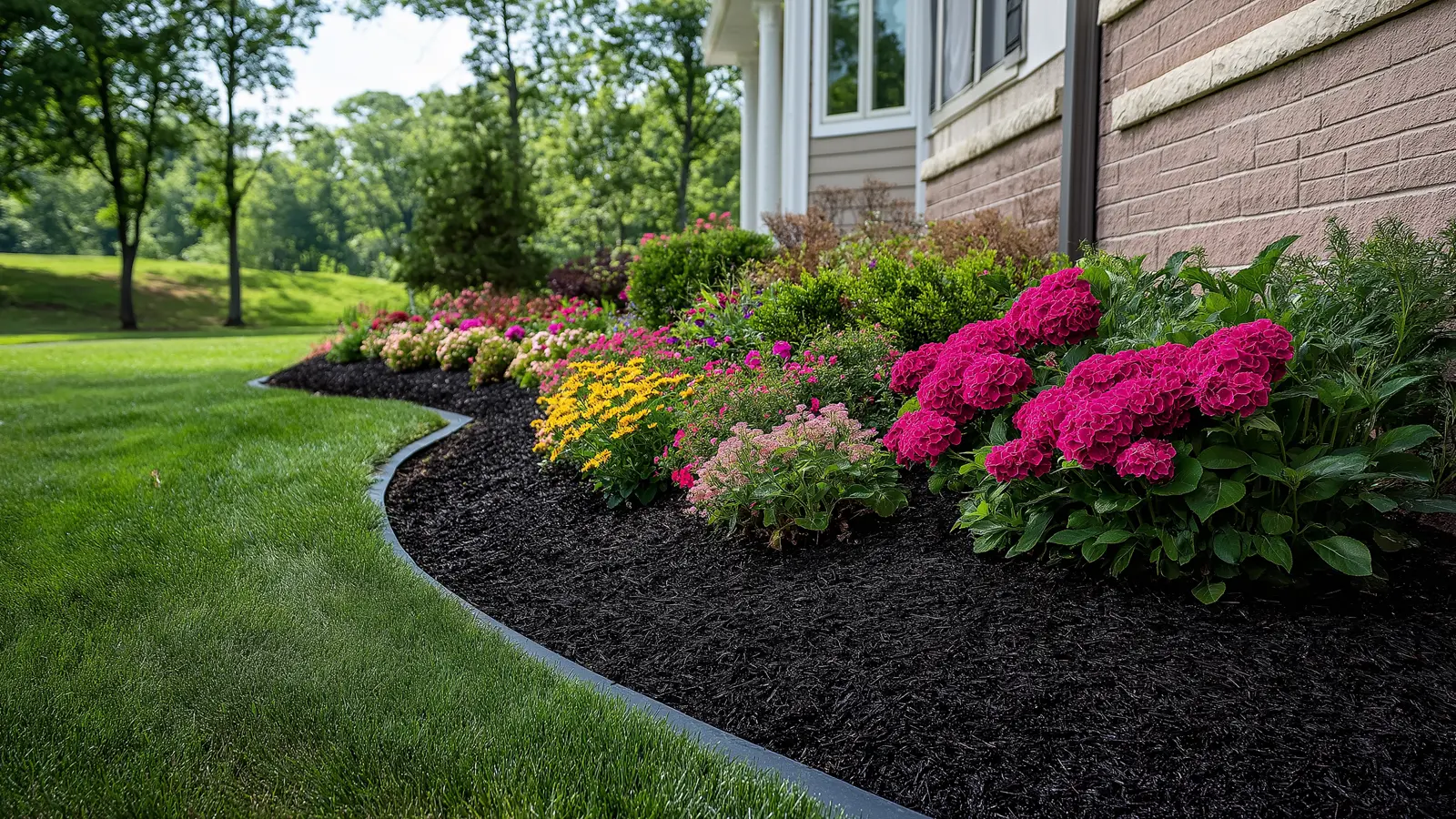
A low maintenance garden does not have to look plain or unfinished. With the right ground cover, you can reduce weeds, hold moisture in the soil, keep garden beds looking neat and spend less time on regular upkeep.
For Hobart homeowners, mulch and pebbles are two practical options that suit many garden styles. Both can help create cleaner outdoor areas while reducing some of the repetitive jobs that make gardening feel like hard work.
Bare soil creates more work. It dries out faster, allows weeds to establish and can become muddy during wet weather. Covering the soil creates a more stable garden surface.
Organic mulch such as bark and wood chips is especially useful around shrubs, trees and garden beds.
A good layer of mulch blocks light from reaching many weed seeds. It will not remove weeds completely, but it can reduce how often you need to weed.
Mulch slows evaporation from the soil surface. This can help garden beds stay moist for longer during warmer and windy conditions, reducing the need for frequent watering.
Mulch provides a protective layer between the soil and changing weather. It can help moderate soil temperature and reduce stress around plant roots.
Organic mulch gradually breaks down and adds organic matter to the soil, making it particularly useful in planted garden beds.
Pebbles are an inorganic ground cover. They do not break down like bark mulch, making them useful where homeowners want a durable, long lasting finish.
Organic mulch needs topping up as it decomposes. Pebbles can remain in place for years when the area is prepared and edged correctly.
Pebbles work well around pathways, feature plants, garden borders, water features and drainage areas. They can give a modern garden a clean and organised appearance.
When installed over a suitable base, pebbles allow rainfall and irrigation water to move through to the soil below instead of forming a sealed surface.
Pebbles create a firm covering over bare soil, helping reduce muddy areas beside paths, garden beds and frequently used outdoor zones.
There is no single best option for every garden.
Mulch is often better for:
Pebbles are often better for:
In many Hobart gardens, the most practical solution is to use both materials in different zones.
Mulch can cover larger planted beds while decorative pebbles define paths, edges and feature areas. This creates contrast in texture while keeping the garden practical.
Depth matters. A useful general range for many organic mulches is around 5 to 7 centimetres. Too little may provide limited weed suppression, while excessive mulch can interfere with air and water movement.
Keep mulch slightly away from tree trunks and plant stems rather than piling it directly against them.
No. Pebbles can reduce weed growth, but seeds can still settle between stones over time. Removing existing weeds and preparing the ground properly before installation makes a major difference.
Even well designed pebble areas may occasionally need hand weeding and leaf removal.
Ground cover should suit the home as well as the garden. Neutral pebbles can work well with concrete, timber and dark fencing, while natural bark mulch softens hard surfaces and adds warmth to planted areas.
Consider the colour of the home, existing paving or decking, nearby plants, sunlight and leaf fall before choosing a material.
Hobart gardens experience cool winters, wet periods, dry spells and windy conditions. Ground cover helps protect exposed soil through these changes.
Mulch can help planted areas retain moisture and moderate soil temperatures. Pebbles provide a durable option for decorative and practical zones that do not need regular replenishment.
Mulch and pebbles are simple landscaping materials, but they can make a noticeable difference to how much time a garden needs.
Mulch is especially useful for planted beds where moisture retention, weed suppression and soil health matter. Pebbles provide a durable, clean finish for pathways, borders and decorative areas.
Used together, they can help create a practical, attractive and low maintenance outdoor space suited to modern Hobart homes.
If your garden feels difficult to maintain, improving the ground cover can be one of the easiest places to start.
Looking for professional landscapers near me in Hobart? We deliver outstanding landscaping services in Hobart, tailored to your needs. Contact us today for a free consultation, and let’s create a beautiful outdoor space together.
0428 251 118 info@bajwalandscaping.com.au 162 Macquarie St, Hobart TAS 7000
All rights reserved, © Bajwa landscaping 2026
Designed by Sobin Sebastian